Humanizer for Customer Support
Customer support writing can be fast, accurate, and still feel wrong the moment a customer reads it. The policy may be correct. The next steps may be clear. The answer may even solve the issue. Even so, the message can still sound too robotic, too scripted, or too generic to feel genuinely helpful. Humanio gives you a humanizer for customer support that helps AI-assisted replies sound more natural while preserving the clarity, accuracy, and brand voice support teams actually need.





- Bypass all popular AI detectors
- Keep the original meaning
- Choose the desired level of readability






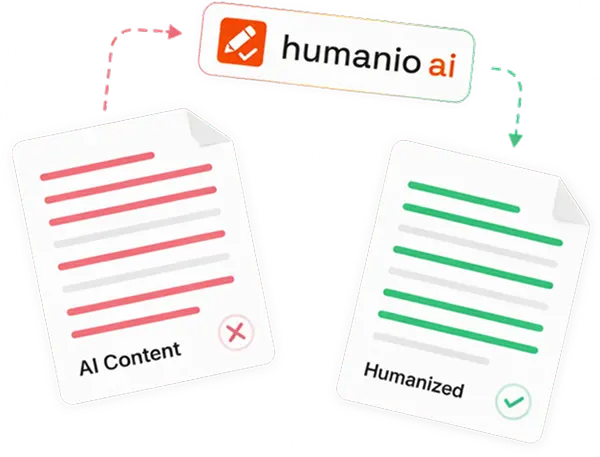
That matters because support is not just about information. It is about trust. A support email needs to sound clear without sounding cold. A live chat reply needs to feel human without losing speed. A ticket response needs to sound consistent with your brand while still addressing the real issue in front of the customer. When the writing feels machine-shaped, even a correct answer can feel less reassuring than it should.
Humanio is built for the stage between a usable AI draft and a version you would actually want to send. We help you humanize customer support replies so they feel more empathetic, more conversational, and easier to trust without changing the core meaning of the response.
Humanio works as a humanizer for customer support by improving tone, readability, and empathy without changing the key facts or next steps in the message.
A strong customer support humanizer should preserve accuracy, brand voice, and support intent instead of rewriting only for surface variation.
Humanio is useful for support emails, live chat replies, ticket responses, chatbot-assisted replies, and broader customer communication workflows.
Final review still matters because customer support writing depends on issue details, policy accuracy, customer context, and team judgment.
A Humanizer for Customer Support Should Improve Tone Without Losing Accuracy
Most teams looking for a humanizer for customer support are not asking for a completely new answer. They already have a draft that contains the right policy, the right status update, or the right next steps. The problem is that the writing still sounds too stiff to feel supportive.
That is the real gap between AI-assisted drafting and strong customer communication. AI can help support teams move faster. It can generate a first-pass reply, summarize a ticket, or turn internal notes into a customer-facing response. But a reply still needs a more human layer before it feels ready to send.
Humanio helps at that point. We help humanize customer support replies without damaging the parts that make the message useful:
the factual answer
the support intent
the next-step instructions
the brand voice
the response accuracy the customer depends on
If those parts drift during rewriting, the reply becomes weaker, even if it sounds smoother. A support response should still solve the issue. It should just sound less mechanical, less canned, and more appropriate for the customer reading it.
That is especially important because support writing is often judged instantly. Customers do not only notice whether an answer exists. They notice whether the team sounds engaged, whether the tone feels respectful, and whether the wording feels clear enough to follow under stress. Humanio helps improve that experience without turning support into vague “friendly” writing that loses operational value.
Why AI Customer Support Replies Still Sound Too Robotic or Too Generic
The biggest weakness in many AI-assisted support messages is not missing information. It is weak delivery. The answer is there, but the tone still feels detached from the customer’s situation.
That usually shows up in a few familiar ways:
The response sounds polite, but too scripted to feel real.
The explanation is technically clear, but emotionally flat.
The tone sounds formal when it should sound reassuring.
The same sentence patterns repeat across different tickets.
The message reads like a template instead of a real support interaction.
These issues matter because support teams work in trust-heavy moments. Sometimes the customer is frustrated. Sometimes they are confused. Sometimes they just need a faster answer. A reply that feels cold or generic can make the issue feel worse, even when the actual content is correct.
This is why AI-generated customer service writing can seem acceptable at first glance and still underperform in practice. The message may be organized. The sentences may be grammatically fine. But the reply can still feel too even, too distant, or too obviously automated to create confidence.
A useful AI humanizer for customer support has to work deeper than surface cleanup. It needs to improve the writing pattern itself. Humanio helps refine phrasing, sentence flow, and conversational tone so the response feels more natural and more human while still staying professional.

How Humanio Helps You Humanize Customer Support Replies More Naturally
Humanio is built for the refinement stage, after the draft exists but before the message is ready to send. You bring in the AI-assisted version, we help improve the parts that still sound too robotic or too generic, and you keep control over the final response.
The workflow is simple:
Paste your support draft into Humanio.
Let us humanize customer support replies by improving tone, clarity, and conversational flow.
Review the revised version to make sure the facts, next steps, and customer context still line up.
Finalize the response before it goes to email, chat, or the help desk queue.
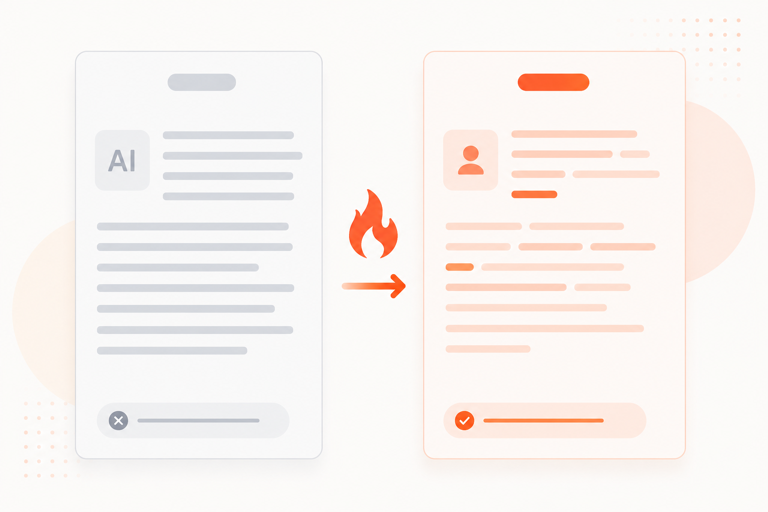
That makes Humanio more useful than a generic rewriting pass. We are not trying to invent a different support answer. We are helping you turn rough AI-assisted customer communication into something that sounds more natural and more helpful while keeping the response operationally usable.
This is especially helpful because support writing happens across many channels at once. Some teams need calmer ticket replies. Some need friendlier live chat responses. Some need support emails that sound less stiff. Some need follow-ups that feel more personal without drifting off-brand. Humanio helps refine the language across those workflows without flattening every message into one generic tone.
If your team also wants a broader explanation of the editing layer itself, our guide on how to humanize AI text gives a wider overview of the process.
Preserve Brand Voice, Accuracy, and Support Intent While Improving Readability
One of the biggest concerns with any humanizer for customer support is losing the exact information that makes the response useful. You do not want a better tone if it weakens the instructions. You do not want a warmer sentence if it makes the policy less clear. You do not want a smoother reply if it changes the meaning of what support is actually promising.
That is why this section matters so much. A useful support humanizer should improve natural writing without damaging service quality. It should preserve brand voice, protect response accuracy, and keep the support intent intact while making the message easier to read.
Humanio is built around that kind of control. We help improve the language while keeping the response recognizable. That means issue details, next steps, account context, and the overall purpose of the message stay visible. The goal is not to trade precision for friendliness. The goal is to make the reply feel more human while keeping it correct.
This matters even more for teams working from support scripts, macros, or internal reply templates. Those systems help teams move quickly, but they can also create replies that feel too standardized. Humanio helps keep the operational efficiency while making the final message feel more authored and more customer-aware.
Use It for Support Emails, Live Chat Replies, Ticket Responses, and Customer Follow-Ups
Customer support is not one channel, and that matters for this keyword. Humanio is useful across a wider set of real support workflows:

support emails that need a more natural and reassuring tone
live chat replies that should feel faster and more conversational
ticket responses that need clarity without sounding canned
customer follow-ups that should feel more personal and less automated
help center or help desk replies that need stronger readability
escalation messages that need calm, respectful language
macro-based replies that need better tone before sending
support-team drafts that need a cleaner final pass at scale
That range matters because the same writing issue takes different forms. A support email may be correct but too formal. A live chat reply may sound efficient but cold. A ticket response may explain the fix without sounding especially helpful. A follow-up may feel polished but impersonal.
Humanio helps across those workflows because the underlying need stays the same. The draft already contains useful information, but the final writing still needs:
more natural support tone
stronger empathy
clearer next-step wording
better customer readability
less scripted language
If your broader work also includes brand communication beyond support, our marketing use case can help connect support tone with wider customer-facing writing.
A Humanizer for Customer Support Also Matters in API, MCP, and Chatbot Workflows
This keyword becomes even more practical when support writing happens at scale. Many teams no longer write every support reply from scratch. They use chatbots, internal routing tools, CRM automations, agent-assist systems, and other business workflows where AI drafts or suggests the response before a person reviews it.
That is where a humanizer for customer support becomes especially valuable. The issue is not only whether the AI system can generate an answer. The issue is whether the final response still sounds like something a customer would trust.
If your team uses chatbot flows, a humanization layer matters because scripted replies can solve the problem and still feel emotionally flat. If your business uses API-based response generation, the risk is often consistency without warmth. If you are experimenting with MCP-connected internal tools or support copilots, the same challenge appears again: the workflow can be smart, but the language can still sound too generic.
Humanio fits that conversation because it focuses on the response layer. We help teams improve how customer-facing messages sound after the operational logic is already in place. That can be useful when support replies are drafted through:
chatbot handoff flows
agent-assist tools
API-driven support systems
MCP-connected internal support tooling
CRM-triggered follow-up sequences
knowledge-base answer generation
The core writing problem stays the same across all of them. Customers still read the final message as a person, not as a system diagram. They still notice when the language feels robotic. They still decide whether the brand sounds helpful, clear, and trustworthy. Humanio helps improve that final impression across support responses and help desk communication.
If your work also crosses into broader publishing or automation workflows, our blogging use case shows how the same refinement mindset applies outside support too.
Improve Empathy and Conversational Tone Without Becoming Unprofessional
One of the easiest ways to weaken customer support writing is to make it sound friendlier at the cost of clarity. The reply becomes softer, but less useful. That is why a humanizer for customer support has to respect the difference between warmer tone and weaker service communication.
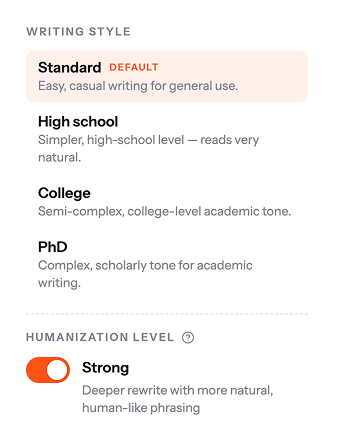
Humanio helps improve empathy and conversational tone without making the writing unprofessional. We focus on making the response feel more natural, more readable, and more human while keeping the support standard your team needs. That includes how the message opens, how the issue is explained, how the next steps are framed, and how the reply closes.
This is especially useful when a draft relies on generic service phrases. A weak version may say the right thing but sound like it could be sent to anyone. A stronger support message usually does more than sound polite. It helps the customer feel understood while still moving the issue forward. Humanio helps refine the language so the reply feels more believable without turning it into soft filler.
That is also why we avoid treating humanization like random warmth. Support writing does not need decorative empathy. It needs stronger delivery. Humanio helps improve reply flow and tone while keeping the message centered on the actual help being provided.
If you want a broader category comparison before choosing a workflow, our page on the best AI humanizer can help frame the space.
Final Review Still Matters for Customer Communication
Even a strong humanizer for customer support should be part of the process, not the whole process. Once Humanio helps you refine the draft, take one more careful pass before the message goes out to the customer.
Focus on a few high-value checks:
Make sure the facts, steps, names, and account details are still accurate.
Confirm that the tone fits the issue and the brand.
Review whether the customer’s actual question has been answered directly.
Check that the next steps are still clear and actionable.
Read the message once as the customer to catch anything that still feels vague, too formal, or overly scripted.
That final review matters because support writing still depends on human judgment. A tool can improve phrasing and clarity, but it cannot decide whether the final response is the best fit for this issue, this customer, or this policy context.
If you are ready to use a more consistent refinement workflow across support and other customer-facing writing, you can also explore our pricing.
Frequently asked questions




Humanio gives you a better humanizer for customer support because the focus stays on stronger customer communication, not empty rewriting. You get more natural phrasing, clearer explanations, better conversational tone, and responses that feel easier to trust before they reach the customer. If you want a humanizer for customer support that helps rough AI-assisted drafts sound more natural without losing clarity, empathy, or accuracy, start with Humanio. We help support teams, chatbot workflows, and broader business operations turn usable AI drafts into replies that feel more helpful, more human, and more ready to send.